
San Luis Potosí: Mining History, Baroque Architecture and the Cultural Legacy that Defines the City
In the heart of the Mexican altiplano rises a city whose history is written in silver and pink quarry stone. San Luis Potosí, founded over four centuries ago thanks to the discovery of mineral wealth, has become a living testament to the colonial era and an exceptional example of how mining prosperity can transform into architectural and cultural heritage of global relevance.
According to historical records documented by the National Institute of Anthropology and History (INAH), the city houses more than 213 buildings constructed between the 16th and 20th centuries in its historic center, covering an area of 1.93 square kilometers. This concentration of architectural heritage, recognized as part of the "Camino Real de Tierra Adentro" by UNESCO in 2010, represents one of Mexico's most important colonial legacies.
This article explores the fascinating history of San Luis Potosí: from the moment when an indigenous person covered in golden dust revealed the secret of Cerro de San Pedro, to the majestic baroque churches that today adorn its streets, and the cultural traditions that continue to live on in the Huasteca Potosina.
1. The Origin: The Gold and Silver Rush (1592)
The discovery that gave life to one of the most important cities of the viceroyalty
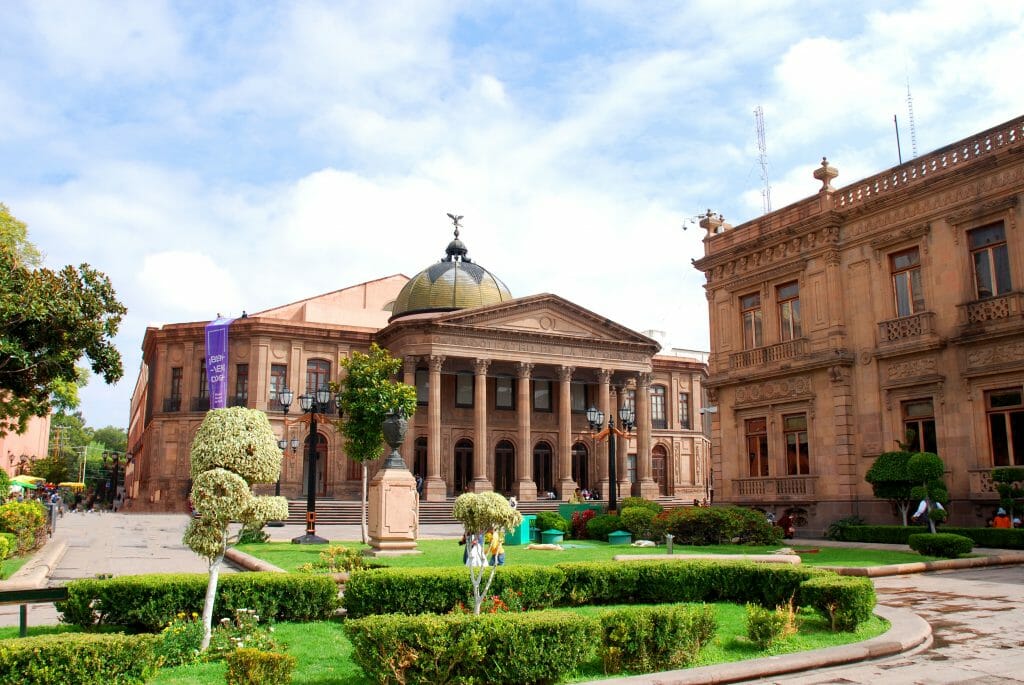
The story tells that in March 1592, Fray Diego de Magdalena discovered an indigenous person covered with golden dust from nearby deposits. This finding caught the attention of the Spanish and marked the beginning of an era that would forever transform the region. According to historical documents preserved in colonial archives, Captain Miguel Caldera sent Gregorio de León, Juan de la Torre, and Pedro de Anda to explore the place.
Historical Fact
The name "Potosí" derives from the Quechua word "poc-to-si," meaning "immense wealth," in reference to the famous Potosí mines in Alto Perú (present-day Bolivia). Pedro de Anda baptized the place as "San Pedro del Potosí" in honor of the saint of his name.
— Source: Historical Archive of the State of San Luis Potosí
The first mine registry belonged to Captain Caldera, who took the mine and prospected it, calling it "La Descubridora" (The Discoverer). Before the Spanish discovery, the area was already known by the Guachichiles, an indigenous people who venerated the hill as sacred.
15%
of New Spain's silver
Approximate production from San Luis Potosí around 1700, according to colonial historical records
2. Cerro de San Pedro: Where It All Began
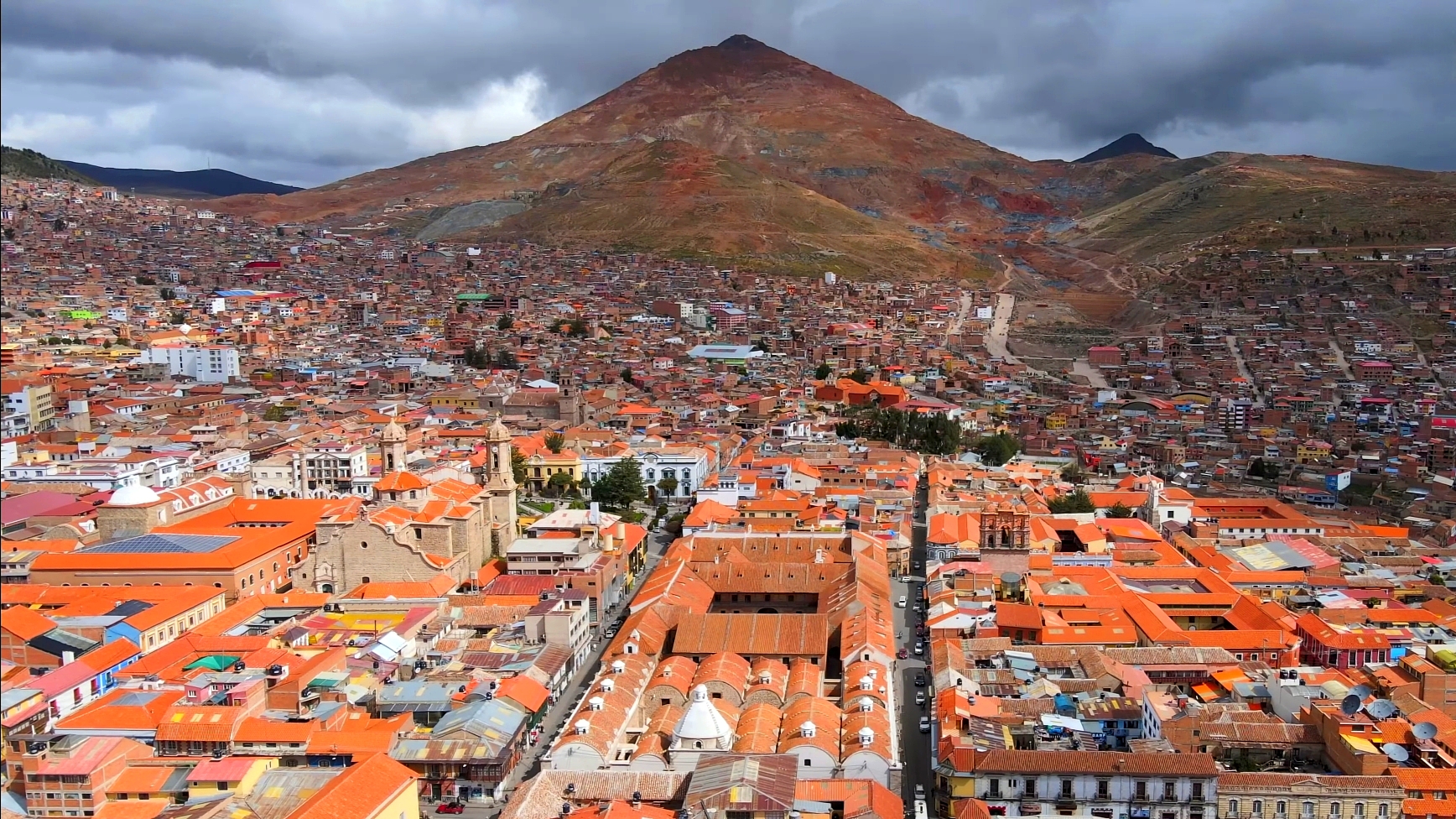
Important note: Cerro de San Pedro, located just 20 kilometers from the current capital, was the epicenter of the mining boom that gave life to San Luis Potosí.
The Water Problem
According to historical documents, abundant gold and silver ore was found in the hill and its surroundings, but there wasn't enough water to process the minerals. The nearest water source was to the west, in a region still dominated by various Chichimeca tribes.
This water shortage had a fundamental consequence: the processing haciendas, administrative buildings, and homes of most miners were located in the valley, west of the hill. Thus the capital was born: not as the seat of the mines, but as the processing and administrative center for the extracted wealth.
📖 Rise and Decline of Cerro de San Pedro
1592
Discovery of the mines
1621
SLP: 3rd city of the viceroyalty
1630
First massive abandonment
3. Baroque Architecture: Temples That Tell Stories
The prosperity generated by mining translated into extraordinary architectural production. According to the INAH catalog, around the 16th century Catholic missionary groups initiated the construction of temples that today constitute jewels of Mexican architectural heritage.
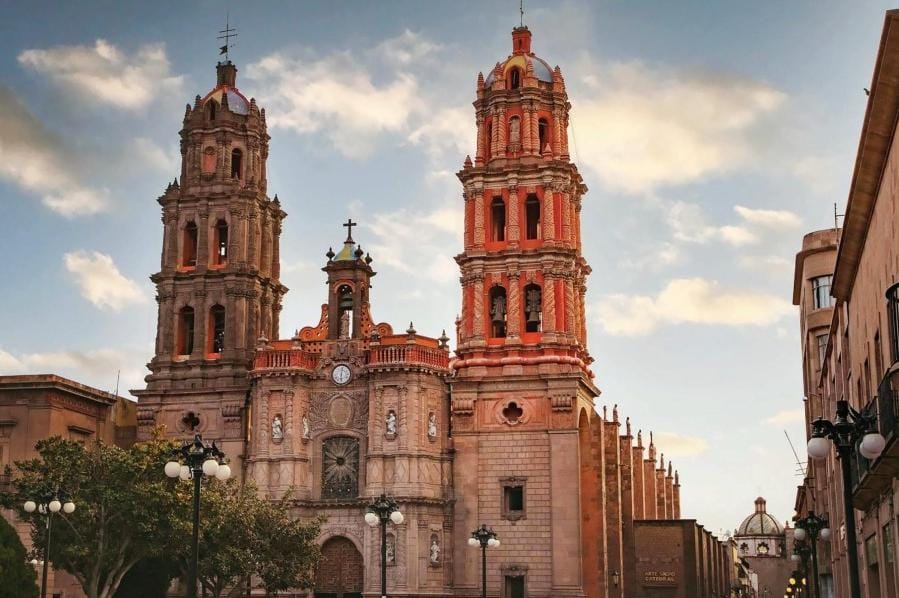
Metropolitan Cathedral
The Metropolitan Cathedral of San Luis Potosí is considered the most emblematic building of the Potosí capital. According to INAH architectural records, it is one of the first baroque-style constructions in the city, built between 1670 and 1730.
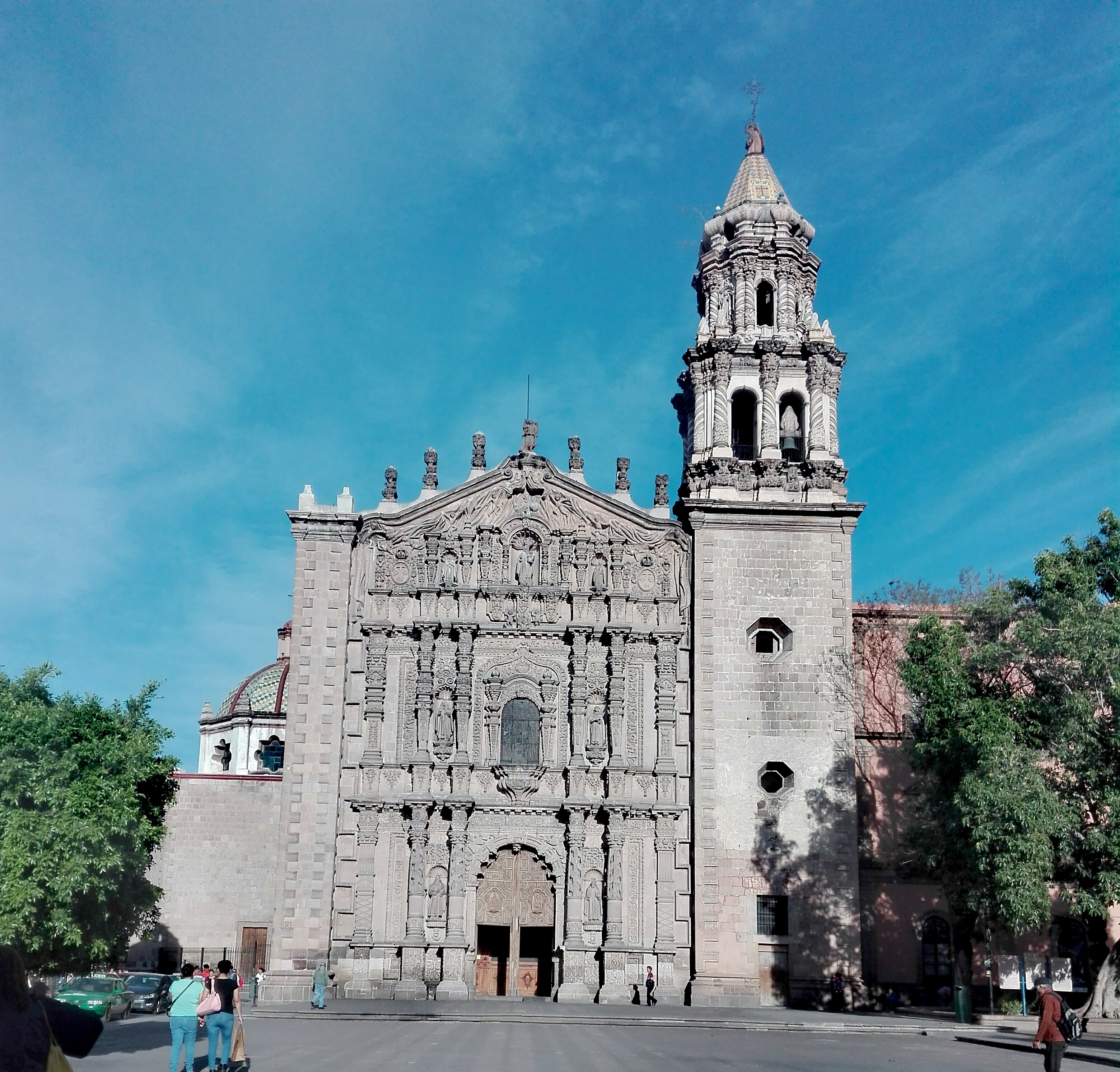
Carmen Temple
According to colonial architecture specialists cited by INAH, the Carmen Temple is rated as the most important baroque work in the city.
- Churrigueresque baroque style
- Built in the mid-18th century
- Located in the emblematic Plaza del Carmen
| Temple | Style | Era | Characteristic |
|---|---|---|---|
| Santo Domingo | Churrigueresque baroque | 17th-18th century | Most elaborate in the city |
| San Francisco | Baroque | 16th century | Former Franciscan convent |
| Loreto Chapel | Salomonic baroque | Late 17th century | |
| Templo del Carmen | Churrigueresque baroque | 1749-1764 | |
| Capilla de Aranzazu | Churrigueresque (retablos) | 1749 | |
| Templo de San Francisco | Sober baroque / neoclassical | 17th-18th century | |
| Templo de San Agustin | Baroque with neoclassical tower | 17th century |
Tip: The Capilla de Aranzazu, inside the Museo Regional Potosino (former Franciscan convent), houses some of the finest churrigueresque retablos in all of Mexico. Do not miss it.
Mining History: The Silver That Built a City
The history of San Luis Potosi is inseparable from silver mining. The city was founded in 1592 after rich deposits of gold and silver were discovered at Cerro de San Pedro, just 20 kilometers east of the current city center.
Cerro de San Pedro
The original mining settlement where it all began. Spanish miners named the region after the legendary silver mines of Potosi in Bolivia, hoping for equal riches — and they were not disappointed.
- Founded: 1592
- Peak: 17th-18th centuries
- Today: Near-ghost town, visitable
Real de Catorce
Once one of the richest silver mining towns in Mexico, Real de Catorce produced millions of silver pesos before its mines were exhausted. Today it is a Pueblo Magico and a haunting destination accessible through a 2.3 km tunnel.
- Peak: Late 18th - early 19th century
- Population peak: ~40,000
- Today: Pueblo Magico, ~1,500 residents
How Mining Shaped the City
The wealth from silver mining funded the construction of the magnificent churches, plazas, and mansions that define San Luis Potosi's historic center today. The city became one of the most important in New Spain, serving as a political and economic hub for the entire north-central region.
Cultural Legacy That Defines the City
Procesion del Silencio
Every Good Friday, thousands of hooded penitents march through the city in complete silence. This centuries-old tradition is one of Mexico's most powerful religious and cultural events.
Museums
The city hosts the Museo Nacional de la Mascara (mask museum), Museo Federico Silva (contemporary sculpture), Museo Regional Potosino, and the Leonora Carrington Museum, among others.
Huapango Music
The Huasteca region of San Luis Potosi is the birthplace of son huasteco (huapango), a vibrant musical tradition featuring falsetto singing, violin, and jarana guitar.
Gastronomy
Enchiladas potosinas (the original red enchilada), queso de tuna (cactus fruit cheese), asado de boda (wedding stew), and colonche (fermented cactus wine) are local specialties.
How to Visit
Centro Historico Walking Tour: All major baroque churches and the historic plazas can be visited on foot in a single day. Start at Plaza de Armas, walk to the Cathedral, then to Templo del Carmen, and end at the Jardin de San Francisco.
Guided Tours: The San Luis Rey trolley offers a narrated tour of the historic center. Runs daily with departures from Plaza de Armas. Cost: approximately $150 MXN per person.
Best Time to Visit: The Procesion del Silencio (Good Friday) and the Feria Nacional Potosina (August) are the most spectacular times to experience the city's cultural heritage.
Discover More About San Luis Potosi
From mining towns to baroque masterpieces, San Luis Potosi's history is waiting to be explored.
Tags
Enjoyed this article?
Get practical tips to navigate the city, weekly events, and useful local info delivered to your inbox.
Join our community. No spam, ever.